

Rabat, the capital city of Morocco, is a destination that seamlessly combines ancient heritage with contemporary urban life and elegance. Yes, the vibe here just feels royal. It has a unique blend of history and modernity worth every moment you spend there.
Rabat is where you can relax and enjoy calmness while enriching in a cultural experience. If you prefer a more tourist-heavy cities like Casablanca, Marrakech or Tangier, then just spend a day here. If less crowded beaches are what you seek, then the harmonious blend of historic landmarks and coastal serenity makes it an ideal destination.
This destination seemed like a perfect day away from Casablanca, so I booked a tour and spent one day exploring the city. I felt like royalty from the beginning. The tour company driver showed up on time at my hotel in Casablanca, opened the van door and greeted me in. The drive from Casablanca was about an hour and 10 minutes. Once we arrived at Rabat, we met the local tour guide who introduced himself and explained the process and the stops scheduled for the tour. Here are the highlights of my experience…
This post contains affiliate links. This site may earn a commission if you purchase, at no cost to you.
Rabat Highlights You Don’t Want to Miss
Kasbah of the Udayas
At this fortress overlooking the Atlantic ocean, is where a scene from Mission Impossible Rogue Nation was filmed. The Kasbah of the Udayas, perched atop the Atlantic cliffs, is a perfect site for enjoying panoramic ocean views. This fortress has served as a strategic stronghold for centuries and remains a symbol of the city’s enduring heritage.
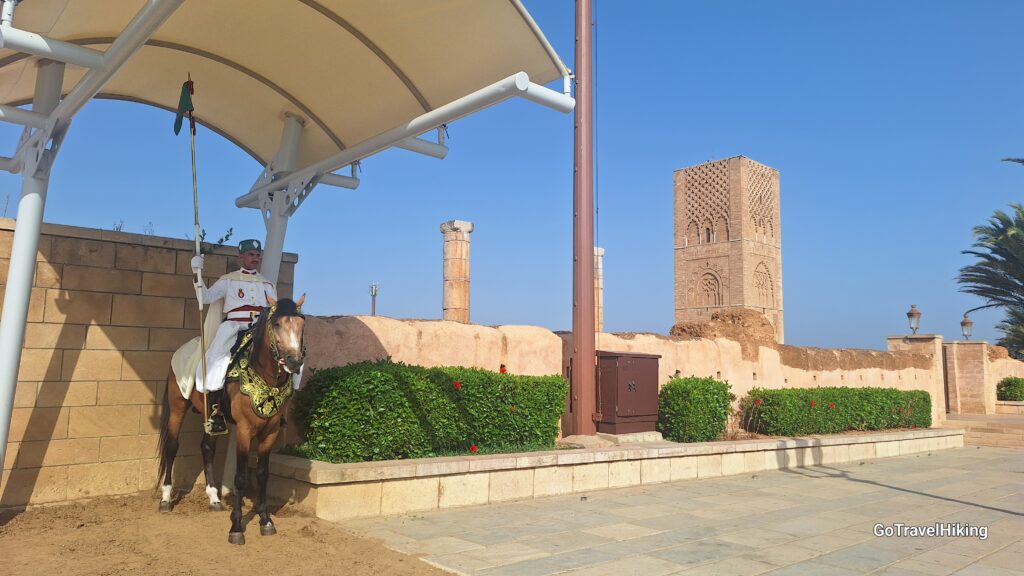
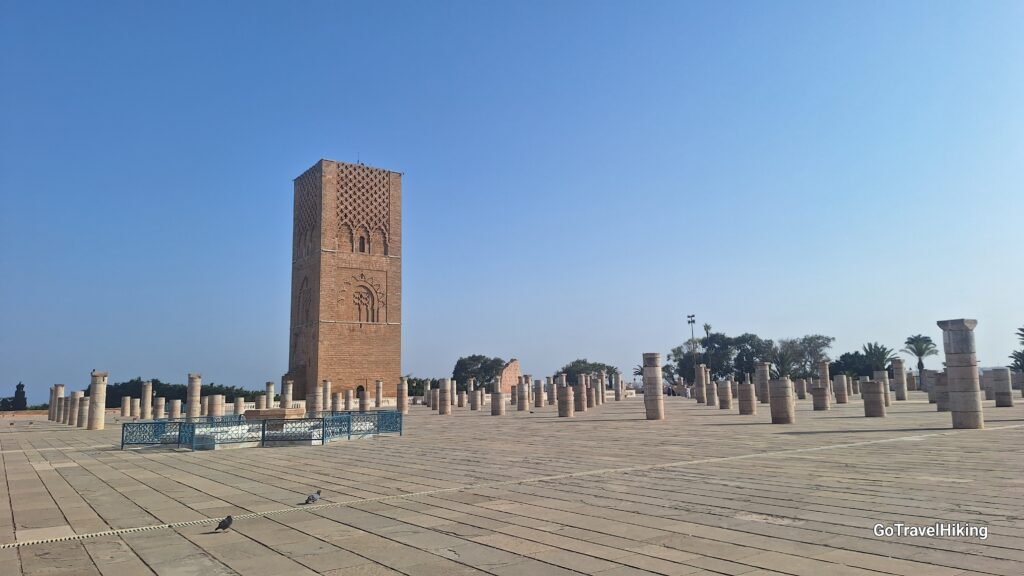
Hassan Tower & Mausoleum of Mohammed V
The iconic unfinished 12th‑century mosque and the resting place of Morocco’s kings, showcasing intricate Islamic architecture. Hassan Tower, remains unfinished and is complemented by the Mausoleum of Mohammed V. Together, these sites offer insight into the country’s religious and royal history.
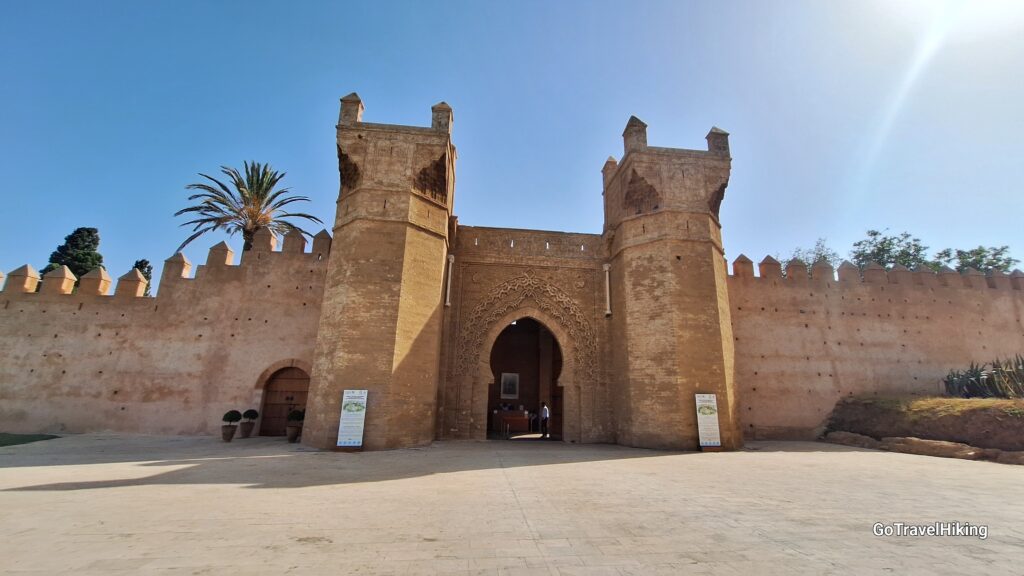
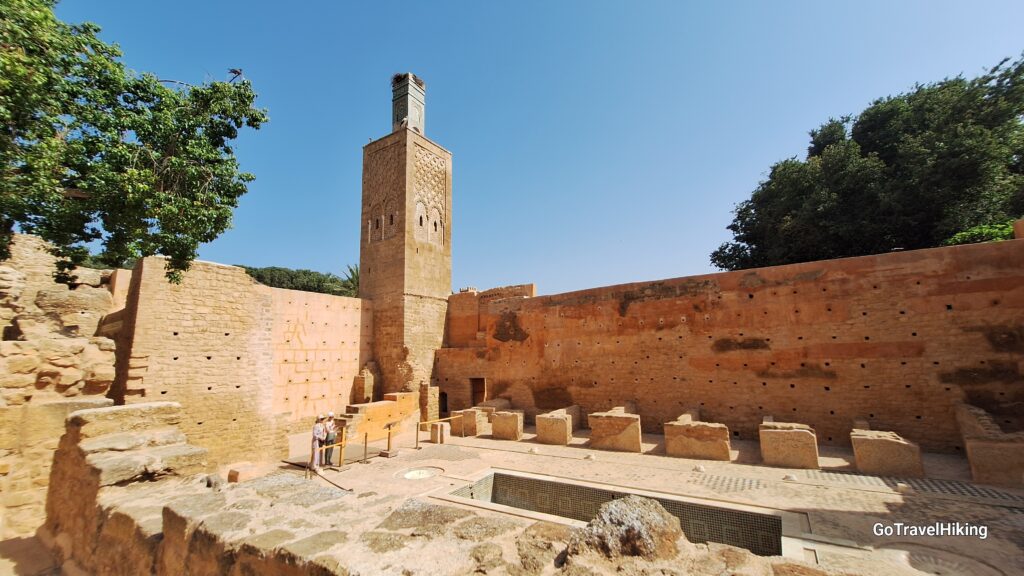
Chellah Necropolis
The Chellah Necropolis is a historical landscape showing the remains of an ancient Roman settlement. It was later transformed into an Islamic burial site; it now stands as a tranquil park where ancient ruins intertwine with flourishing greenery—an ideal spot for reflection and exploration. The entrance fee is worth it, as this site is great for walking and learning. It also has a beautiful garden with many exotic plants and flowers.
Modern City Vibes
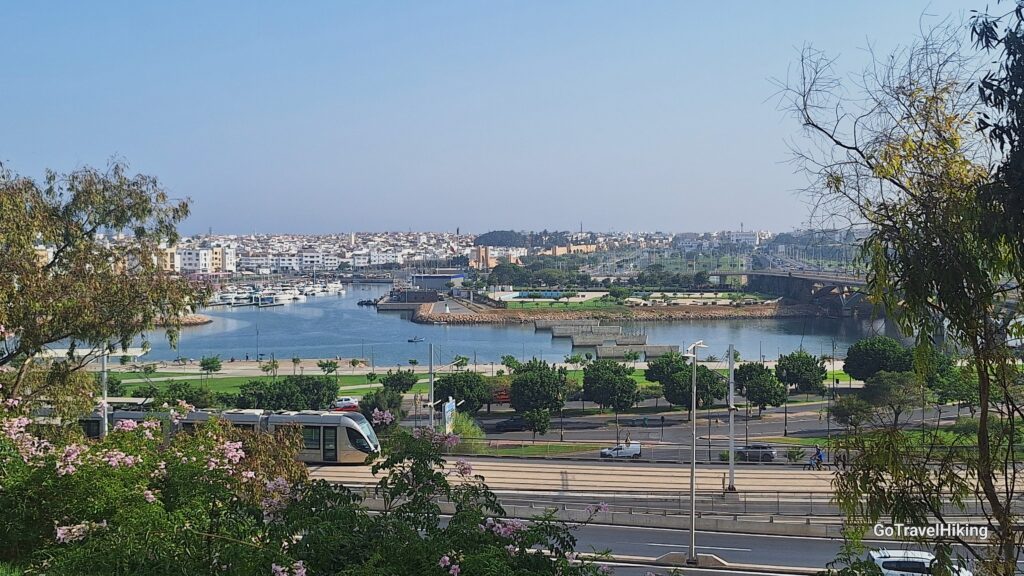
Rabat is praised for its leafy boulevards, green spaces, and modern tram system that connects key districts. The city hosts galleries, cinemas, music festivals, and shopping districts, making it a vibrant hub for both locals and visitors.
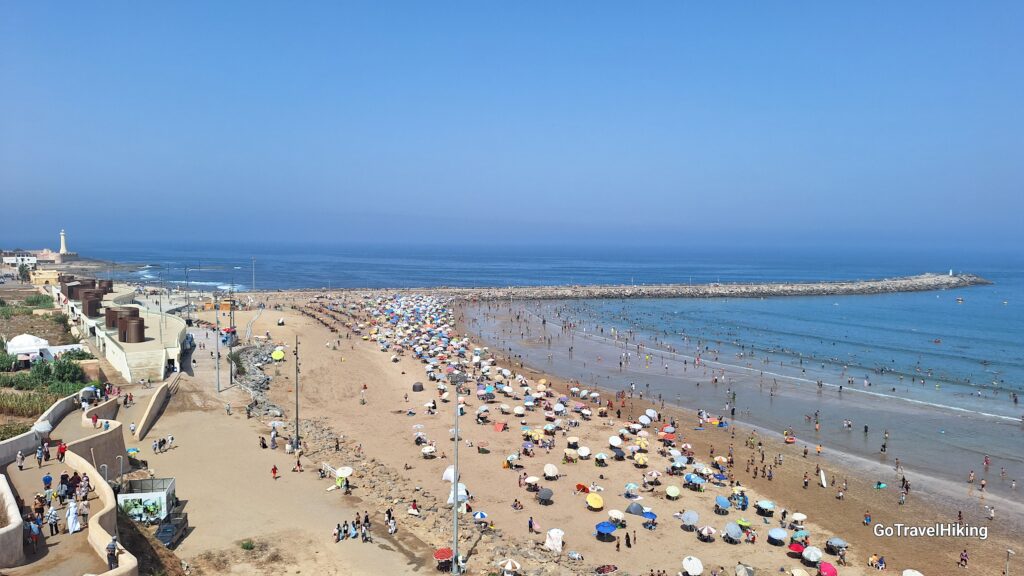
Rabat is located on the Atlantic coastline. The city’s sandy beaches and seaside promenades provide relaxation alongside the city’s historic core. The Atlantic coastline adds a touch of leisure to urban pursuits. Cafés along the waterfront serve traditional Moroccan and French cuisine. I enjoyed a meal and mint tea while seating at a Café delighting in the stunning views of the ocean, and yes, people watching.
Getting Around Rabat
Getting around Rabat is straightforward thanks to its reliable public transportation options. Buses and taxis are readily available, while the expanding tram network connects key districts efficiently. For those wishing to explore beyond the city limits, high-speed trains link Rabat to Casablanca within an hour and connect it to other major Moroccan cities like Tangier.
- Tours: I highly recommend a local tour with a tour guide; these are affordable and efficiently managed to get small groups to experience the city and learn the best spots in the city. They also offer door to door transportation which makes it very convenient. This is a perfect option if you only have one day to explore the city.
- Public Transport: Affordable buses, blue taxis, and an expanding tram system make navigation easy, I’d only recommend this if you have a least the basic Arabic or French to ensure you can get to where you need to go without getting lost.
- Regional Access: Rabat is just an hour by train from Casablanca, and the TGV fast train connects it to Tangier in about one hour 20 minutes.
When to Visit
- Best Seasons: Spring (March–June) and fall (September–November) offer mild weather and fewer crowds.
- Summer: July–August brings domestic tourism peaks, festivals, and packed beaches, though the Atlantic breeze keeps temperatures bearable.
- Winter: Cooler and wetter, but still pleasant compared to northern Europe.
Practical Tips in Morocco
- Currency: Moroccan Dirham (MAD) is the local currency. Bring cash, the local tour guides will accept dollars as tips. I recommend you exchange before going on any trip, you may be able to use your credit card, but cash is king when you travel. You will need it to pay for entrance fees, souvenirs, food and tips. Moroccans will not press you for tips, but they do appreciate it.
- Language: Arabic and French are widely spoken; English is increasingly common in tourist areas.
- Stay Duration: A two to four-night stay allows you to explore Rabat’s highlights and take day trips to Casablanca, Tangier or Fez.
- Safety: Very safe to travel and visit Rabat. Either you travel solo or with a group, Rabat is an excellent choice.
Why Tour Rabat, Morocco?
In conclusion, Rabat embodies Morocco’s diverse character—where tradition meets royalty on every street corner. Whether exploring ancient ruins or strolling along scenic beaches, visitors will find this city both captivating and welcoming—a true jewel on Morocco’s Atlantic coast.
This post contains affiliate links. This site may earn a commission if you purchase, at no extra cost to you.
Check out another Moroccan city:
Morocco’s Blue Magic: A Walking Tour of Chefchaouen’s Hidden Corners